We find the waste, fix it, and prove the savings.
Energy efficiency consultations new york NY that cut cooling bills
Our energy efficiency consultations new york NY start with a full AC energy efficiency audit new york NY, then hand you a ranked plan: cheap fixes first, big upgrades only if they pay back. We serve homeowners, co-op boards, and small commercial spaces across Queens County and all five boroughs. If your summer Con Ed bill jumped and the rooms still feel clammy, we find out why. Call +18776434654.
Live phone supportUpfront optionsBacked workmanship
What's included
What is included in the consultation
The base consultation covers a full performance test of your cooling system and a written report. Repairs, refrigerant work, and equipment replacement are quoted separately after you see the findings. Here is what is always part of the visit.
Full system performance test
We read suction and liquid pressures, superheat, subcooling, delta-T, static pressure, and compressor amp draw. Every number gets logged and compared against the manufacturer's spec for your model.
Coil and airflow inspection
Evaporator and condenser coils get inspected for dirt, frost, and damage. We check the blower motor, filter condition, and duct static pressure to see if airflow is being choked anywhere in the system.
Refrigerant leak sweep
An electronic leak detector sweeps accessible joints, service valves, and coil ends. If we find a leak, we document the location and quote the repair. We do not just add refrigerant and leave.
Electrical component check
Capacitor microfarad readings, contactor pitting, and thermostat operation all get tested. A weak capacitor can cost you 10% efficiency and eventually kill the compressor. It is a cheap fix caught early.
Written report with payback
You get a PDF within 48 hours listing findings, recommended repairs, upgrade options, and estimated payback for each. It is yours to keep, use for a second opinion, or hand to your building manager.
Service overview
What energy efficiency consultations new york NY actually involve
An energy efficiency consultation in new york, New York is a diagnostic service that measures how much cooling your system delivers per dollar of electricity and identifies every point where that ratio drops. We connect a manifold gauge set to read suction and liquid pressures, clamp a meter around the compressor circuit, and log return and supply temperatures at each register. You get static pressure readings, superheat and subcooling numbers, and a room-by-room airflow map. From there we price out repairs, thermostat changes, and equipment swaps side by side so you can see payback in months, not marketing language.
Most New York cooling problems are not mysterious. A dirty condenser coil on a rooftop unit in Astoria, a refrigerant leak behind a wall in a pre-war co-op, a 20-year-old Carrier that still runs but eats 40% more power than a modern inverter unit. When you search for an energy efficiency consultation near me new york NY, you are usually reacting to a bill that doubled between June and August. We quantify the cause before we recommend anything. That is the difference between a sales visit and a real audit.
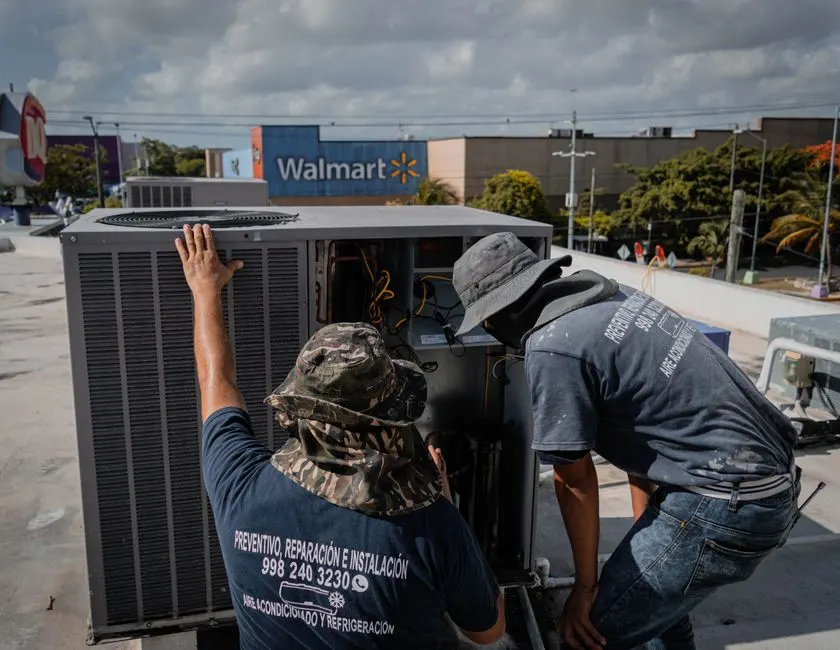
How we workWe verify the cause, compare realistic options, and confirm the repair before we leave.
The service timeline
How our consultation process runs
The process flexes to the condition, but these checkpoints keep decisions clear.
Phone intake
We ask for your address, system type, age, and the last two utility bills if you have them. Ten minutes on the phone saves an hour on site. We schedule a two-to-three-hour window and confirm the technician's name before the visit.
System inspection
The tech photographs the nameplate, records model and serial, and checks the compressor, capacitor, contactor, and blower motor. We inspect the evaporator coil, drain pan, and line set for frost, oil stains, or corrosion. Everything gets logged, nothing gets guessed.
Measurement and testing
We take static pressure at the return and supply, delta-T across the evaporator, superheat and subcooling at the service valves, and amp draw at the compressor. A leak detector sweeps the accessible joints. This is where the real numbers come from.
Findings review
Before we leave, we sit with you and walk through what we found. You see the readings, the photos, and a plain-language explanation of what each number means. No jargon dump, no pressure to sign anything that day.
Written report and plan
Within 48 hours you get a PDF with findings, recommended repairs, upgrade options, and estimated payback for each. If you want us to do the work, we schedule it. If you want a second opinion, you have the data to get one.
Tools & methods
Tools and methods we use on every audit
Purpose-built equipment, used by trained technicians, so the job is done accurately the first time.
Manifold gauge set
Reads suction and liquid line pressures so we can calculate superheat and subcooling and confirm whether the refrigerant charge is correct for current conditions.
Clamp meter and multimeter
Measures compressor and blower motor amp draw plus voltage at the contactor. High amps on a clean system point to a failing motor or a bad capacitor.
Electronic leak detector
Sweeps accessible joints, service valves, and coil ends for refrigerant leaks. Finds the source instead of just confirming the system is low.
Inspection camera
Lets us see inside duct runs, behind coils, and into drain pans without cutting open walls. Useful in pre-war buildings where duct access is tight.
Vacuum pump and recovery machine
Used when a repair requires opening the refrigerant circuit. We recover the existing charge, evacuate the system to spec, and recharge by weight.
Fin comb and coil cleaning pump
Straightens bent condenser fins and pushes cleaning solution through the coil. Restoring airflow across a dirty coil is often the single biggest efficiency gain we find.
Use cases
When to book an efficiency consultation
These examples show how the service framework adapts rather than forcing every call through one repair.
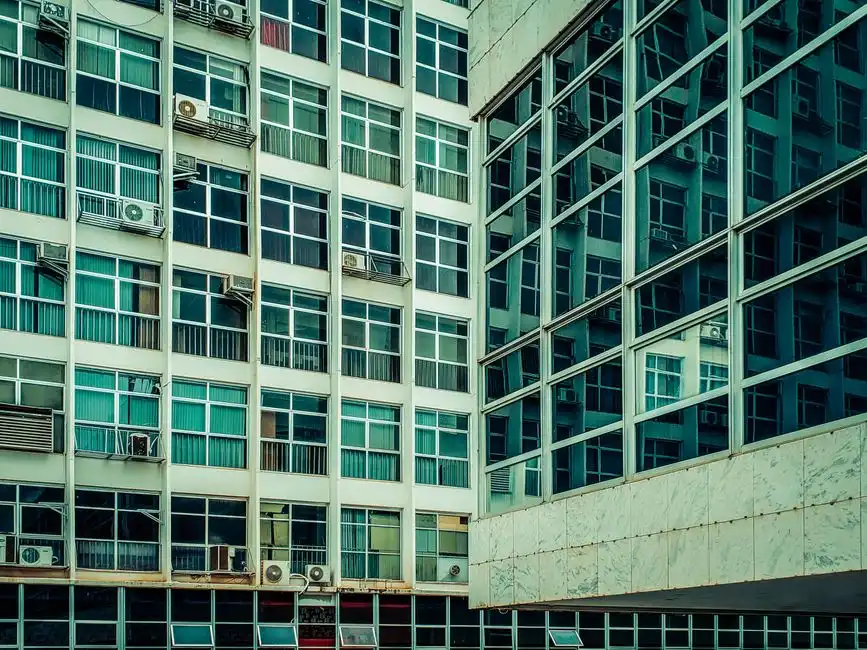
Brooklyn Heights co-op, thermostat and airflow
A 14-unit pre-war building with original pneumatic thermostats and no zone control. Common areas ran cold, upper-floor units ran hot, and the board had no data to justify spending. Annual cooling cost was climbing every year with no explanation. → We replaced the pneumatic controls with smart thermostats, balanced the dampers, and cleaned two failing condenser coils. Common area cooling cost dropped 18% in the first full season, and the board had a ranked list for the next two years of work.
Long Island City restaurant, rooftop economizer
Two rooftop units serving a 2,200 sq ft dining room. One unit ran continuously and the dining room still hit 80°F at dinner service. The economizer damper was stuck open, pulling in 95°F outdoor air all afternoon. Blower motor amps were 15% above nameplate. → We freed and recalibrated the economizer, replaced the failing blower motor, and corrected the charge on both units. Dining room held 74°F through August service, and the owner reported a visible drop in the electric line on the monthly statement.
Problems we solve
Problems our consultations solve for New York homeowners
Most efficiency complaints trace back to one of a handful of causes. Here is what we find most often and what it costs you if it goes unaddressed.
Summer electric bills climbing every year
We measure actual performance against spec and isolate the losses. Often it is a dirty condenser coil, a low charge, or a failing capacitor. Fixing those three things restores most of the lost efficiency for a fraction of replacement cost.
Rooms that never reach the thermostat setting
Static pressure and register readings show us where the air is going. We balance dampers, correct duct restrictions, and verify the blower is moving the CFM the system was designed for.
High humidity indoors all summer
We check runtime, charge, and airflow. If the system is oversized, the audit shows it with a Manual J load calculation, and we recommend the correct size for your space rather than another guess.
Repeated refrigerant top-offs every season
We locate the leak with an electronic detector, recover the remaining charge with a recovery machine, repair the joint or coil, evacuate with a vacuum pump, and recharge by weight to the nameplate spec.
Pricing process
What energy efficiency consultations cost
$180 - $450 for most residential consultations; commercial quoted per site
Number of systems
A single split system takes about two hours to test properly. A two-family home with two systems, or a commercial space with multiple rooftop units, takes longer and is priced accordingly.
Ductwork testing
Adding static pressure and register readings across the full duct system takes extra time and equipment. It is worth it when airflow problems are suspected, and we quote it separately so you can decide.
Access difficulty
Rooftop units, crawlspace air handlers, and units behind finished walls take longer to reach and inspect. We tell you upfront if access will affect the price.
Customer reviews
What clients say after the audit
★★★★★
“Our summer bill hit $410 and the upstairs never got cool. The tech found the condenser coil packed solid and the charge 12% low. He cleaned the coil, found the leak at a flare joint, repaired it, and recharged. Next bill was $290 and the bedrooms actually cooled. The report showed every reading before and after.”
★★★★★
“We manage a 1920s building with 14 units and no one could agree on what to fix. The consultation gave us a ranked list with payback estimates. We did the thermostat replacements and the two worst condensers first. The board finally had numbers instead of opinions, and the common area cooling bill dropped noticeably.”
★★★★★
“Two rooftop units, one always running, dining room still hot. They tested both, found the economizer stuck open on one and a failing blower motor on the other. Fixed both in one visit. The kitchen stays cooler and I am not paying to cool the sidewalk anymore. Straight answers, no upsell.”
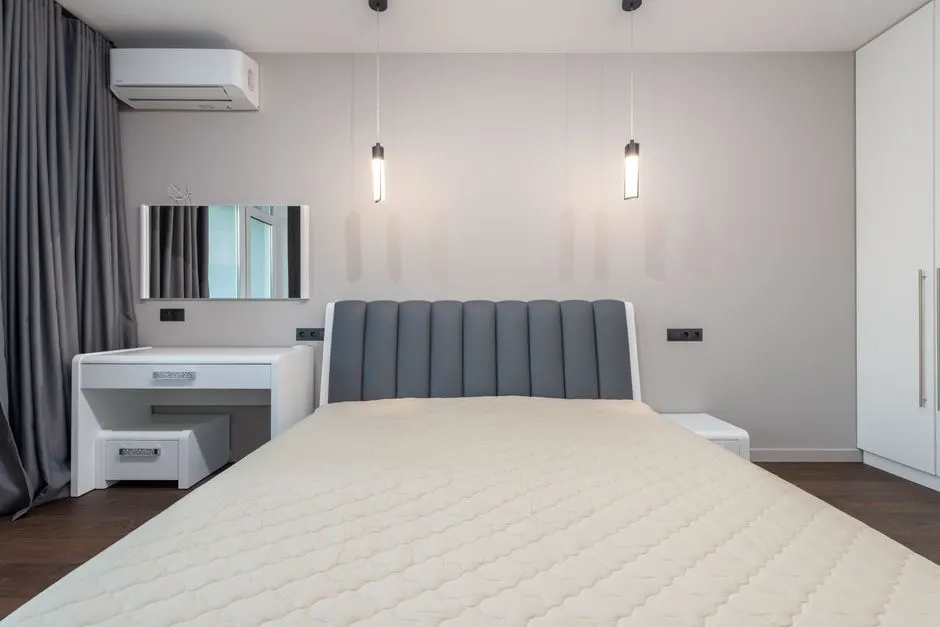
How can I make my AC more energy efficient in new york NY?
Start with the cheap wins: replace the air filter every 60-90 days, clear debris from the condenser coil, and set the thermostat to 78°F when you are home. Then get the system tested. A refrigerant charge that is 10% off spec can cut efficiency by 5-10%. A dirty evaporator coil drops capacity further. Our audit measures all of it and tells you which fix pays back fastest in your building.
What is an energy efficiency consultation in new york NY?
It is a paid diagnostic visit where a certified technician measures your cooling system's actual performance and identifies where energy is being wasted. You get pressure readings, temperature splits, airflow data, and a written report with ranked recommendations. It is not a sales call. If your system is fine, we tell you that and you keep the report for your records.
How much does an energy audit cost in new york NY?
Typical 2026 pricing for a residential HVAC energy audit in this area runs $180 to $450 depending on system count and whether we are testing ductwork. Commercial and multi-zone buildings run higher. The fee is credited toward any repair or install we do within 90 days. You approve the number before we start, and there are no add-ons at the door.
Do energy efficient AC units save money in new york NY?
Yes, if the unit is sized and installed correctly. A modern inverter-driven unit from Daikin or Mitsubishi Electric can cut cooling electricity use 25-40% versus a 15-year-old single-stage system. But an oversized high-efficiency unit will short-cycle and erase most of that gain. That is why we run a Manual J load calculation before recommending any replacement. The savings come from the match, not the sticker.
Related services
Related Services
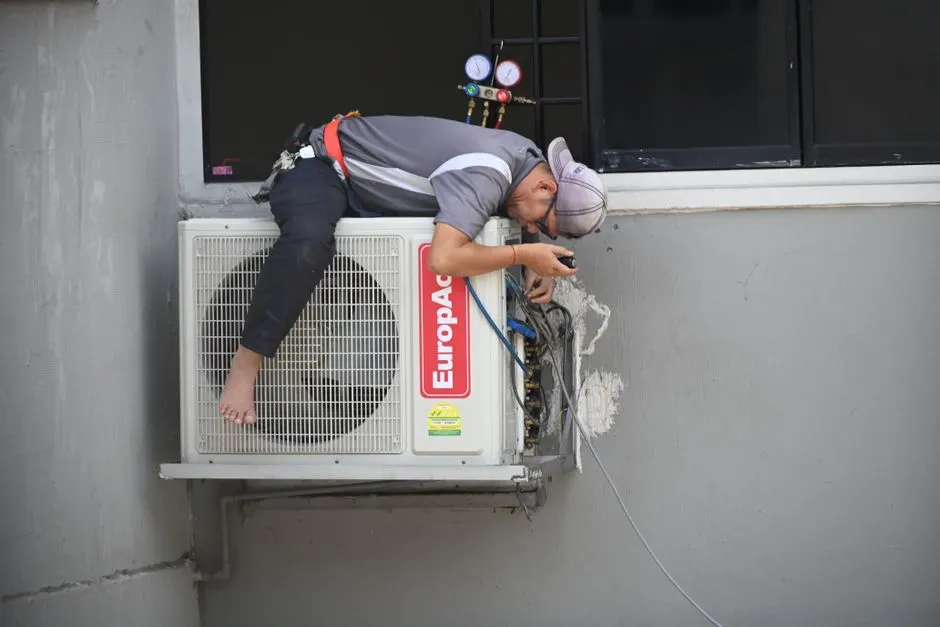
Air Conditioner Installation
If your audit shows the current system is past saving, we install a correctly sized Carrier, Trane, or Lennox unit. The load calculation from your consultation feeds directly into the install plan, so you get the efficiency you paid for.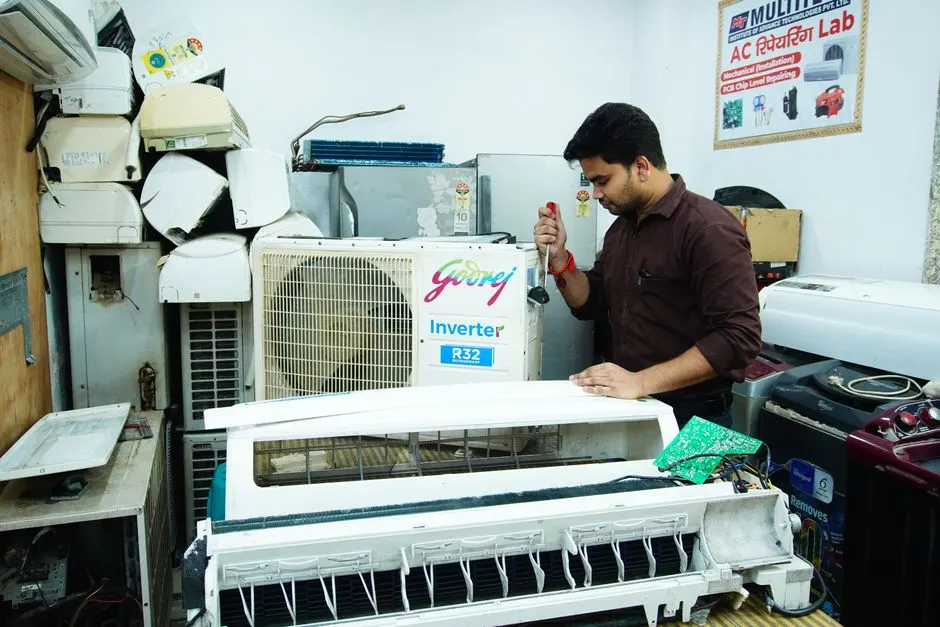
Air Conditioner Maintenance
A maintenance plan keeps the efficiency gains from your consultation from eroding. We clean coils, check charge, test capacitors, and flush drain lines on a set schedule. Most clients on a plan avoid the mid-August breakdown call entirely.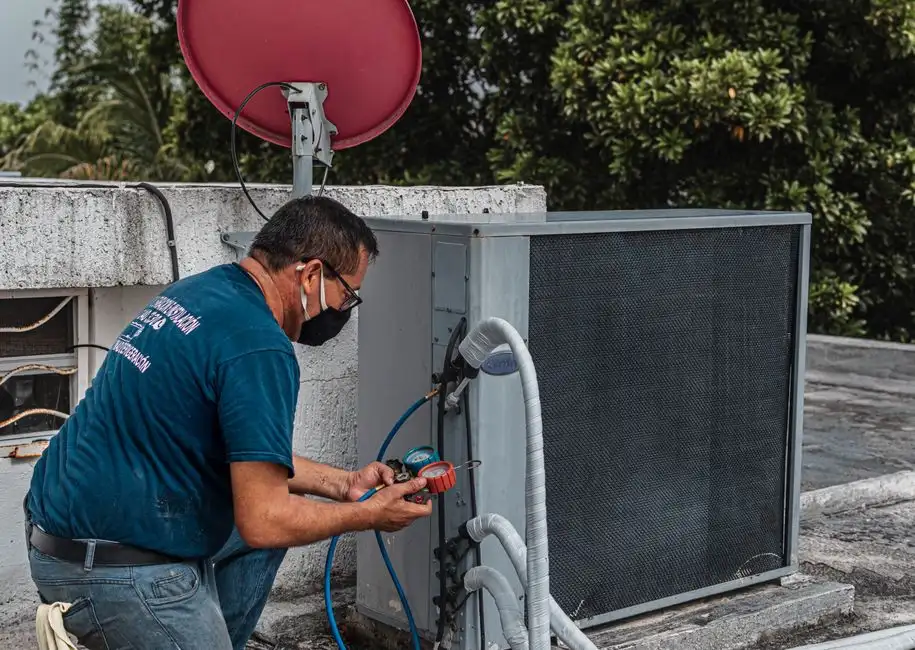
Central Air Conditioning Repair
When the audit finds a failed capacitor, a stuck contactor, or a blower motor drawing high amps, we repair it on the spot or schedule a return visit. Fixing these restores the efficiency your system was rated for.Ready when you are
Book energy efficiency consultations new york NY this week
One visit, real measurements, and a written plan you can act on. We are licensed, insured, and we show up when we say we will. Call +18776434654 or request a visit online and we will confirm your window the same day.
Talk with the local team
Request Energy Efficiency Consultations
Call us any time, day or night, and a real person picks up. We book same-day slots for most calls and text you the tech's name and arrival window. If you prefer email, send us your address and a quick description of the problem, and we will get back to you within the hour during business hours.